

Cutting-Edge Diagnostics for German Cars in Ottawa: Pinpointing Problems
If you’re a proud owner of a German car in Ottawa, you know the blend of luxury, performance, and engineering that comes with brands like Audi, Porsche, BMW, Mercedes-Benz, and Volkswagen. However, maintaining these sophisticated vehicles requires more than just routine oil changes. The specialized technology and precision engineering in these cars demand cutting-edge diagnostic tools to accurately identify and address any issues.
In this guide, you’ll learn how advanced diagnostics play a crucial role in maintaining your German car’s peak performance and reliability.
Understanding the Importance of Diagnostics
Why Diagnostics Matter
Diagnostics are the cornerstone of modern automotive maintenance, especially for German cars. These vehicles come equipped with complex electronic systems and components that require precise calibration and maintenance. A reliable diagnostic process helps in identifying problems that might not be apparent to the naked eye, ensuring your car runs smoothly and efficiently. For instance, an undetected issue with your car’s fuel injection system could lead to poor fuel efficiency, costing you more in the long run. Regular diagnostics can catch such issues early, saving you from unnecessary expenses and ensuring your vehicle operates at its best.
The Role of Technology
Today’s German cars are essentially computers on wheels. They feature sophisticated onboard diagnostics systems that can detect a range of issues, from engine performance to emissions. By using advanced diagnostic tools, technicians can communicate with these systems to pinpoint exact problems, saving time and preventing unnecessary repairs. Imagine driving your BMW and noticing a slight delay in acceleration. While it might seem minor, advanced diagnostics could reveal a deeper issue with the throttle system. Addressing such problems promptly can prevent further damage and costly repairs.
Common Diagnostic Challenges in German Cars
Audi Check Engine Light
An illuminated check engine light in your Audi can trigger stress and confusion. This warning light can indicate anything from a loose gas cap to more serious issues, such as a failing catalytic converter. Advanced diagnostics tools are essential to accurately interpret fault codes and determine the root cause of the problem. For example, a faulty oxygen sensor could lead to increased emissions and decreased fuel efficiency, ultimately affecting your car’s performance. Addressing such issues promptly can prevent further damage to the exhaust system.
BMW Electrical Repair
BMWs are known for their advanced electronic systems, which can sometimes develop faults. Electrical issues can range from malfunctioning sensors to complex wiring problems. Using state-of-the-art diagnostic equipment, technicians can efficiently identify and resolve these electrical gremlins, ensuring your BMW’s system operates flawlessly. Consider a scenario where your BMW’s infotainment system suddenly stops working. While it might seem like a minor inconvenience, it could be indicative of a larger electrical issue that could affect other systems. Diagnosing and fixing such problems early can save you from costly repairs down the line.
Mercedes Fault Codes
Mercedes-Benz vehicles come with a sophisticated fault code system that provides detailed information about the car’s condition. These codes can be challenging to interpret without the right tools. Specialized diagnostic equipment is crucial for understanding and addressing these fault codes, helping to prevent minor issues from becoming major repairs. For example, a transmission fault code might indicate a problem with the transmission fluid levels or a more serious mechanical issue. Addressing these codes promptly can prevent transmission failure and costly repairs.
The Diagnostic Process
Initial Assessment
The first step in any diagnostic procedure is an initial assessment. This involves gathering information about the car’s performance, noting any warning lights, and discussing symptoms with the owner. A comprehensive understanding of the problem helps technicians focus their efforts accurately. For instance, if you notice a strange noise when accelerating, providing this information can help the technician zero in on potential issues with the drivetrain or engine.
Utilizing Advanced Tools
Once the initial assessment is complete, technicians use advanced diagnostic tools tailored for German vehicles. These tools can read and interpret fault codes, perform system checks, and even simulate driving conditions to detect intermittent issues. This step is crucial for a precise diagnosis. For example, an intermittent misfire might not show up during a standard check but can be detected with advanced simulation tools, allowing for targeted repairs.
Implementing Solutions
After identifying the problem, technicians can implement targeted solutions. Whether it’s replacing a faulty sensor, recalibrating the electronic system, or performing detailed repairs, the goal is to restore your car to its optimal condition without unnecessary delays. For instance, if a diagnostic reveals a worn brake pad sensor, replacing it promptly can prevent more severe brake system damage and ensure your safety on the road.
Seasonal Tips for German Car Maintenance
Winter Preparations
Ottawa’s harsh winters can be tough on vehicles. Ensure your German car is ready by checking the battery, inspecting tire tread, and using the right engine oil. Regular diagnostics can also help detect any issues that might worsen in cold weather conditions. For example, low engine coolant levels can lead to overheating and engine damage. Addressing such issues before winter sets in can save you from costly repairs and keep your car running smoothly.
Summer Maintenance
Summer heat can lead to overheating issues, especially in high-performance engines like those in Porsche and Mercedes. Routine checks on the cooling system, air conditioning, and engine diagnostics can prevent breakdowns and keep your car running smoothly throughout the season. For instance, ensuring your coolant levels are adequate can prevent engine overheating and potential engine damage during hot summer months.
Choosing the Right Diagnostic Service
Expertise and Experience
When it comes to German car diagnostics, expertise is key. Look for service centers with technicians trained specifically in German automotive systems. Janex Auto Service in Ottawa is known for its skilled professionals who understand the intricacies of these vehicles. Their expertise can make the difference between a quick, accurate diagnosis and prolonged, expensive troubleshooting.
Advanced Technology
Ensure the service center uses the latest diagnostic equipment. Advanced tools can make a significant difference in the speed and accuracy of the diagnosis, ultimately saving you time and money. For instance, using outdated diagnostic tools might miss crucial fault codes or provide inaccurate readings, leading to unnecessary repairs and additional costs.
Customer Service
A good diagnostic service provider will keep you informed throughout the process. Clear communication about what’s being done and why can help build trust and ensure you’re satisfied with the service. For example, a detailed report explaining the fault codes found and the recommended repairs can help you understand the value of the service provided and make informed decisions about your car’s maintenance.
The Future of Automotive Diagnostics
Integration with AI
The future of diagnostics is set to be revolutionized by artificial intelligence. AI-driven diagnostic tools can predict potential issues before they occur, offering preemptive maintenance solutions that could extend the lifespan of your vehicle. Imagine receiving a notification that your car’s battery health is declining before it fails, allowing you to replace it at your convenience rather than being stranded unexpectedly.
Remote Diagnostics
With advancements in technology, remote diagnostics is becoming a reality. Soon, technicians might be able to diagnose and even fix certain issues without you having to bring your car into the shop, offering unmatched convenience. For example, a remote diagnostic tool could alert you to a low tire pressure issue, allowing you to address it immediately and avoid potential tire damage or blowouts.
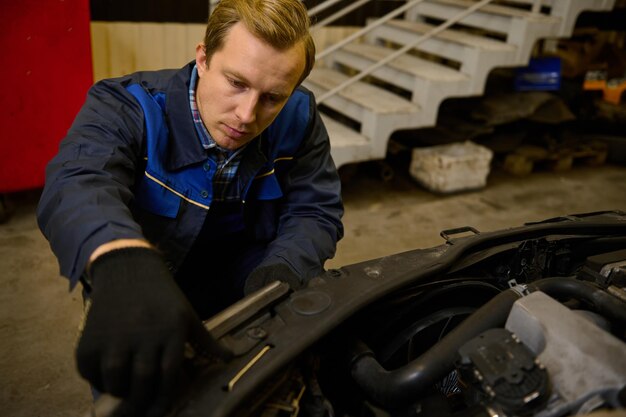
For German car owners in Ottawa, maintaining your vehicle’s performance and health is crucial. Advanced diagnostics play a pivotal role in this process, ensuring that issues are accurately identified and resolved.
Whether it’s an Audi check engine light or a BMW electrical repair, having a trusted service provider like Janex Auto Service can make all the difference. Contact Janex Auto Service today to schedule your diagnostic appointment and keep your German car running at its best!
