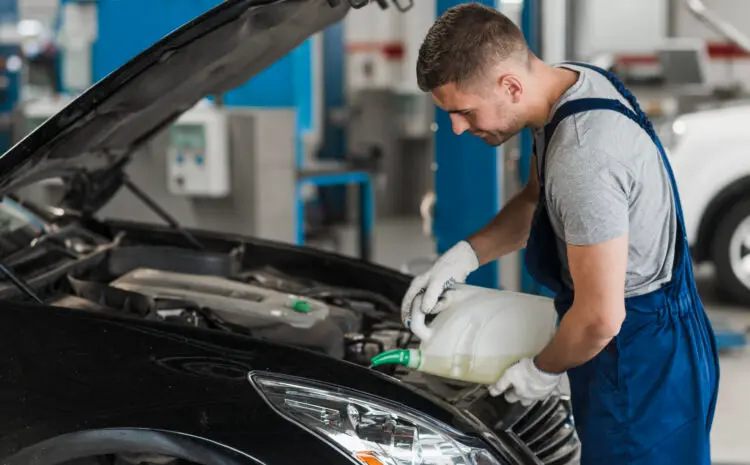
Janex Auto Service handles car radiator repair in Ottawa, ON, helping drivers address coolant leaks, overheating, and other problems that can put their engines at risk.
Your car’s radiator is an important component that controls your engine’s temperature. When your radiator leaks, clogs, or stops cooling well, the temperature can climb fast, and that can lead to serious engine damage. You might notice coolant collecting beneath your vehicle, steam coming from under the hood, or a temperature gauge climbing higher than normal. Our certified technicians check the whole cooling system, track down the real source of the trouble, and handle the repair or full replacement it calls for.
Radiator repair and replacement services at Janex Auto Service
Janex Auto Service offers radiator repair, radiator replacement, radiator flush, and other cooling system services for drivers across the Ottawa area. If you’ve got a leak, radiator leak repair keeps the coolant secure, doing its job. If the radiator is too far gone, a full replacement brings your engine temperatures back to normal.
Our shop specializes in German automotive repair, including Audi, BMW, Mercedes-Benz, Porsche, and Volkswagen. We also work on Asian, domestic, and other European makes and models, so whatever you drive, you’re covered.
With 40+ years of combined experience, our technicians know how different cooling systems behave. An overheating engine doesn’t always mean a bad radiator, so we find the cause first and recommend repairs second.
How does your car’s radiator work?
Think of the radiator as a heat exchanger. Hot coolant leaves the engine, the radiator pulls the heat out, and cooler coolant heads back in to do it all over again. Several components share that job:
- Radiator: Cools the hot coolant coming off the engine.
- Radiator hoses: Carry coolant back and forth between the engine and the radiator.
- Thermostat: Controls how much coolant flows based on engine temperature.
- Water pump: Keeps coolant moving through the engine and radiator.
- Cooling fans: Pull heat off the radiator, especially when you’re sitting in traffic or crawling along.
When one of these cooling system components quits, the whole system feels it. That’s why we look at the related parts, not just the radiator itself.
Signs your car radiator may need repair
Radiator problems can sneak up slowly or show up all at once. Here are the signs to watch for:
- Coolant leaks pooling under the front of your vehicle
- Engine temperature running hotter than usual
- Frequent or sudden engine overheating
- Steam rising from under the hood
- A sweet smell from leaking antifreeze
- Corrosion, rust, or visible radiator damage
- Coolant that looks rusty or contaminated coolant with a murky color
- Repeatedly low coolant levels
- Cooling fans running more than they used to
- A coolant temperature warning light on your dash
None of these automatically point to the radiator. A leaking hose, a stuck thermostat, or a tired water pump can cause the same issues, which is why a radiator inspection matters.
When should radiator problems be checked?
Soon. When your radiator can’t shed enough heat, or the system keeps losing coolant, engine temperatures can spike in a hurry. Driving an overheating vehicle can wreck engine parts and turn a manageable repair into an expensive one.
The good news is that not every radiator needs to be replaced. Minor leaks at connections or hoses can often be fixed. A cracked radiator, heavy corrosion, or an internal blockage usually means radiator replacement is the smarter move.
Ottawa winters put a lot of strain on aging cooling system parts, and the swings between seasons don’t help. If you notice repeated coolant loss or odd temperature readings, don’t wait for a breakdown. And if your engine is overheating right now, pull over somewhere safe and let it cool.
Our radiator inspection and repair process
Our certified technicians start by checking coolant levels, looking over the radiator for damage, and examining the nearby radiator hoses and connections. When needed, we pressure-test the system to find hidden leaks, and we check the thermostat, water pump, and cooling fans, too.
If your radiator needs replacement, we install the right unit, refill the system with the correct coolant, remove any trapped air, and check its operation before you drive away. If we find contamination, we may recommend a radiator flush or additional coolant service.
Before we start any work, we walk you through what we found and what we recommend. No surprises.
Why choose Janex Auto Service for radiator repair?
You get German-car expertise and everyday automotive service for just about any make or model. Our Ottawa shop is OMVIC-certified, and our team brings 40+ years of combined experience to every job.
Need a ride while we work? We offer loaner cars when a repair takes extra time. Qualifying repairs may be covered by our 2-year/40,000-km warranty, and our team will explain the coverage details and restrictions.
From tracing a leaking radiator to a full radiator replacement, we focus on finding the problem and making sure you understand your options.
Schedule radiator repair services in Ottawa, ON
If your vehicle is overheating, leaking coolant, or showing other signs of radiator trouble, contact Janex Auto Service today. Call 613-736-9022 to discuss your auto care concerns or schedule an appointment for radiator repair in Ottawa, ON.
Car radiator repair FAQs
Can I drive with a leaking radiator?
Driving with a radiator leak can cause coolant loss and engine overheating. If your engine temperature is rising or the vehicle is overheating, stop driving safely and have the problem inspected.
What causes a car radiator to leak?
Radiator leaks can develop from corrosion, physical damage, worn seals, cracked plastic tanks, or deteriorating connections. A cooling system pressure test can help locate the leak.
Can a damaged radiator be repaired?
Some minor radiator problems can be repaired, depending on the location of the damage and the radiator’s construction. However, full radiator replacement is generally recommended to ensure it operates reliably.
How often should I schedule a coolant flush?
The standard is two years for a coolant flush, though service intervals depend on your vehicle’s manufacturer recommendations and the type of coolant used. A radiator flush may also be necessary if the coolant becomes contaminated or the cooling system requires additional cleaning.